How to choose a family-friendly destination for a first trip
How to pick a first trip destination with a baby or toddler: travel time, time zones, pace, getting around, medical care, food, water and climate.
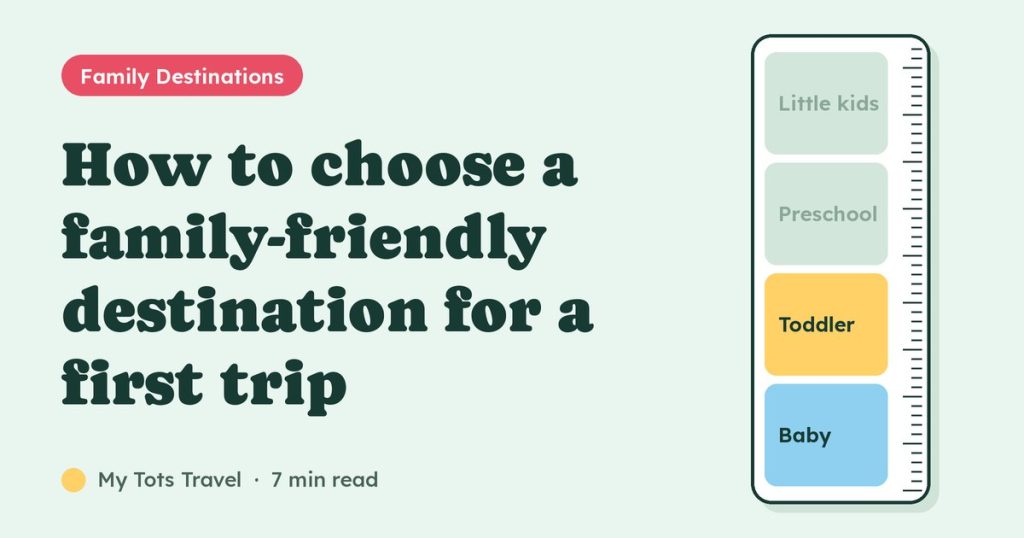
Best for
- Babyunder 1
- Toddler1 to 3
- Preschool3 to 5 (not the focus)
- Little kids5 to 8 (not the focus)
Taking your first trip with a baby or toddler can feel like a huge undertaking. The idea of a relaxing vacation changes when you have a little one to care for. Instead of a packed schedule of sightseeing, the goal becomes finding a change of scenery that is enjoyable and manageable for the whole family.
A successful first trip is less about where you go and more about how you go. Choosing a destination that simplifies logistics and matches your child’s pace can make all the difference. It is about setting realistic expectations and prioritizing comfort, rest, and simple fun.
Start with practical travel logistics
Before you even think about activities, consider the journey itself. Long and complicated travel days are stressful for adults and can be very challenging for babies and toddlers. For a first trip, keeping the journey simple is often the best approach.
Travel time and time zones
A short flight or a straightforward drive is an excellent choice for a first family vacation. Consider destinations that require just one flight with no connections, or that are within a few hours’ drive from home. This minimizes the time your child has to be confined in a car seat or on a plane.
Pay attention to time zones. A trip with no time change, or a change of only an hour or two, is much easier on a child’s sleep schedule. While you can adjust to larger time differences, it adds a layer of complexity that you might prefer to avoid on your first attempt. A destination in a similar time zone helps everyone stay rested and happy.
Transportation at your destination
Think about how you will get around once you arrive. Will you need a car? If so, you will need to plan for a car seat. Car seat laws vary significantly by country and even by state or province, so always check the local rules. You will need to decide whether to bring your own car seat or look into rental options.
If you plan to use public transportation, research its accessibility. Are the train or bus stations equipped with elevators or ramps for a stroller? Are the vehicles themselves crowded? In some cities, walking is the best way to get around. In that case, you will want to be sure the sidewalks are wide and smooth enough for a stroller.
Look for a relaxed and simple pace
The best destinations for a first trip with a baby or toddler are often the ones that do not demand a busy itinerary. The pressure to see and do everything can lead to exhaustion for you and overstimulation for your child.
Instead, look for places where the main attraction is simply being there. A quiet beach town where you can spend afternoons by the water, a cozy cabin near a lake, or a small town with a nice central park are all great options. The goal is to have a comfortable home base from which you can take short, easy outings.
Consider the daily rhythm of your child. You will still be managing naps, feeding times, and an early bedtime. A destination that allows you to easily stick to this routine will be more relaxing for everyone. A vacation rental with a separate sleeping space for the baby can be more restful than a single hotel room where everyone has to be quiet once the baby is asleep. Getting your child comfortable is key to helping a toddler sleep in a hotel room.
Prioritize health and safety
Your child’s wellbeing is always the top priority. When choosing a destination, especially if traveling internationally, take some time to research the local health and safety environment.
Access to medical care
Before you book, find out about the healthcare system at your destination. Where is the nearest clinic or hospital? How would you get help in an emergency? It is a good idea to know the local equivalent of the emergency number. For international travel, check if your health insurance provides coverage abroad or if you need to purchase a separate travel insurance policy.
A safe environment for little explorers
For babies who are starting to crawl or toddlers who are walking, the environment needs to be safe for them to explore. This extends to your accommodation and the places you will visit. A beach with calm, shallow water is more suitable than one with a strong surf. A park with a fenced-in playground offers peace of mind. When booking accommodation, ask about childproofing features like outlet covers or stair gates if they are a concern for you. It’s also a good idea to plan on childproofing a hotel room yourself upon arrival.
Food and water safety
If you are formula feeding, you will need access to safe water for mixing bottles. Where tap water is not safe to drink you will need another safe supply, so ask your pediatrician how to prepare formula safely while traveling. If you have started your baby on solid foods or have a toddler, think about food availability. Will you be able to find simple, familiar foods that your child enjoys? If you are staying somewhere with a kitchen, you can prepare your own meals, which can be easier than relying on restaurants for every meal.
Consider the climate and what to pack
The weather at your destination directly impacts what you need to pack and what your days will look like. A baby’s ability to regulate body temperature is still developing, so extreme heat or cold can be risky and uncomfortable.
A destination with a mild, temperate climate is often easiest. You will not have to worry about overheating or bundling up in too many layers. If you do choose a warm destination, ensure you will have access to shade and air conditioning. Plan your outdoor time for the cooler parts of the day, like the early morning and late afternoon.
For a cold destination, you will need to pack appropriate gear like snowsuits, hats, and mittens, which can take up a lot of luggage space. Your activities will also be limited by how long your child can comfortably stay outside in the cold.
Thinking about the climate helps you plan a practical packing list. The less specialized gear you need, the easier it is to pack and travel light.
Checklist for choosing your destination
Before you make a final decision, run through these key considerations. The ideal destination is one where you can confidently say yes to most of these points. This helps ensure your first trip is as smooth and enjoyable as possible.
- Is the journey manageable? Consider the total travel time, the number of connections, and any significant time zone changes. A shorter, simpler journey is best for a first trip.
- Is the pace relaxed? Look for a destination where you will not feel pressured to stick to a busy schedule. The focus should be on rest and simple activities, not rushing between tourist sites.
- Is the environment easy to get around in? Think about your day to day movement. Are the streets and public spaces stroller friendly? A place where you can easily walk or take accessible transport reduces daily stress.
- Can you easily get supplies? Check for convenient access to essentials like diapers, wipes, formula, and simple foods for your child. Having a grocery store or pharmacy nearby is very helpful.
- Is the accommodation suitable for a family? A place with a separate room for the baby to sleep, a small kitchen for preparing bottles or snacks, and a safe space for them to play can feel more like a home away from home.
- Have you researched local healthcare? Know where to find a doctor or hospital, and understand how to get help in an emergency. This preparation provides valuable peace of mind.
When to call your pediatrician
While careful planning helps prevent many issues, children can get sick anywhere. It is wise to know when to seek medical advice, both before you leave and during your trip. Remember that medical systems and emergency numbers are different in other countries.
Get help right away
Go to the nearest emergency department or call local emergency services for any of these signs:
- A fever in a baby under 3 months old.
- Trouble breathing, such as fast breathing or seeing the skin pull in around the ribs.
- Signs of dehydration, like very few wet diapers, a dry mouth, or sunken eyes.
- Unusual sleepiness, drowsiness, or being very difficult to wake up.
- A seizure.
- Any head injury that is followed by vomiting, confusion, or loss of consciousness.
Talk to your pediatrician before you travel
Schedule a checkup before your trip to discuss your travel plans. This is a good time to ask about:
- Any recommended vaccines for your destination.
- What to pack in a first aid kit for your child, including any over the counter medicines that may be appropriate.
- Managing your child’s existing health conditions while away from home.
- Advice for managing sleep and jet lag if you are crossing time zones.
General travel information, not medical advice. Rules for car seats, flights and documents vary by country and airline, so check current official guidance. Kids' health note.