Motion Sickness in Kids on Car Trips: A Parent’s Guide
A practical guide for parents on how to prevent and manage motion sickness in babies, toddlers, and young children during road trips and car journeys.
Best for
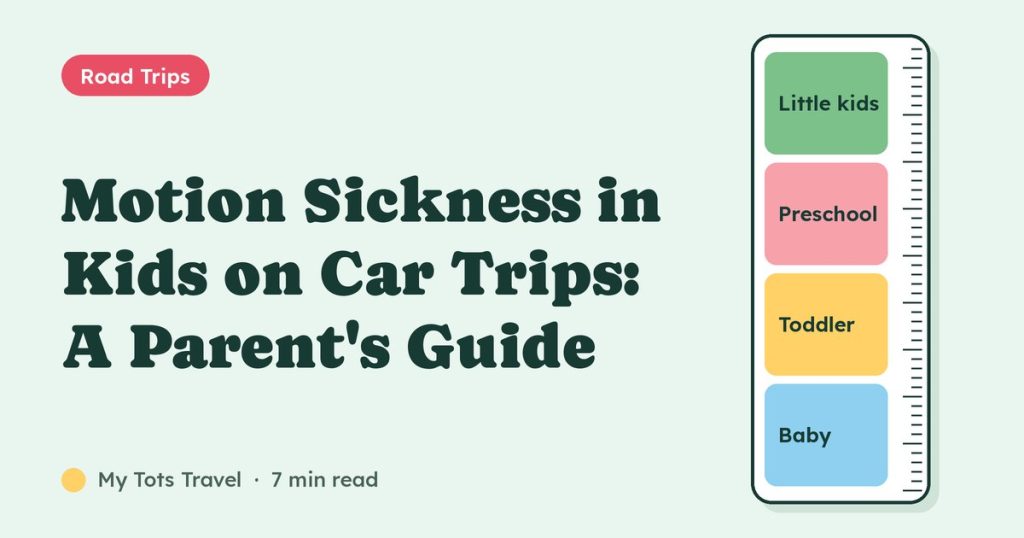
- Babyunder 1
- Toddler1 to 3
- Preschool3 to 5
- Little kids5 to 8
A long awaited road trip can quickly turn stressful when a child starts feeling unwell in the back seat. Car sickness is a common problem for young children, and it can be distressing for them and the whole family. Understanding what causes it and having a plan can make journeys much more comfortable for everyone.
Motion sickness usually happens when the brain receives conflicting messages from the body. The inner ears sense movement, but the eyes, focused on something inside the car like a book or screen, tell the brain that everything is still. This sensory mismatch can lead to nausea, dizziness, and vomiting. While it can affect anyone, it is most common in children from toddlerhood through the early school years.
What causes motion sickness in children?
The part of the inner ear that controls balance is not fully developed in young children, making them more susceptible to the confusing signals that cause motion sickness. Babies under one year are less likely to experience it, but the risk increases for toddlers and preschoolers. By the time they are little kids, many children are quite familiar with that queasy feeling.
A few factors can make car sickness more likely:
- Looking down: Focusing on books, toys, or screens inside the car prevents the eyes from seeing the motion outside, creating a conflict with what the inner ear is sensing.
- Poor ventilation: A stuffy, warm car can make feelings of nausea much worse.
- Bumpy or winding roads: Frequent changes in direction and speed create more motion for the inner ear to process.
- Food: A heavy, greasy, or spicy meal right before a drive can upset a sensitive stomach.
How to prevent car sickness before you leave
A little preparation can go a long way in preventing motion sickness from starting. Taking steps before you even get in the car sets your child up for a more comfortable ride.
Positioning your child in the car
Where your child sits and what they can see makes a significant difference. The goal is to help their eyes see the same motion their body is feeling.
- Encourage looking forward: The best position is one where the child can look out the front windshield. For forward-facing children, the middle seat often provides the best view if it is a safe and correct installation point for your car seat. Check your car seat and vehicle manuals.
- Maximize the view: For any child, make sure their view out the side window is as clear as possible. Avoid using sunshades that completely block the view of the passing scenery. A child who can see the horizon is better able to process the car’s movement.
- Rear-facing seats: It can be more challenging for children in rear-facing seats. They cannot see the direction of travel, which can contribute to sensory conflict. While safety is the priority, ensuring they have a clear view out their side or rear window can still be helpful. Never place a rear-facing seat in the front passenger seat with an active airbag.
Food and drink choices
What your child eats and drinks before and during a trip matters. An empty stomach can be just as bad as a full one.
About an hour before you leave, offer a light, plain snack. Good options include crackers, a plain biscuit, or a banana. Avoid greasy, spicy, or heavy foods, as well as sugary drinks and snacks. During the drive, stick to sips of water to stay hydrated. Avoid large amounts of milk or juice.
Planning your journey
Think about the timing and route of your drive. Driving during your child’s regular naptime or overnight can be a good strategy, as a sleeping child is very unlikely to feel motion sick. This is just one aspect of planning a trip around a toddler’s schedule. If you must drive when they are awake, plan your route to use major roads that are generally smoother and straighter, even if it adds a little time to the journey. Plan to take breaks every hour or so. This gives everyone a chance to get out, walk around in the fresh air, and reset.
Tips for during the car ride
Once you are on the road, your focus should be on keeping your child comfortable and distracted. A calm environment and engaging activities can help keep nausea at bay.
Keep the car cool and fresh
A stuffy car is a recipe for car sickness. Keep the air circulating by opening windows slightly or using the air conditioning. Direct the vents so that cool air blows gently toward your child’s face. A small, battery-operated fan clipped safely out of reach can also help.
Choose the right entertainment
This is the time to put away the tablets, phones, and books. Looking down at a fixed point is a primary trigger for motion sickness. Instead, focus on activities that encourage looking out the window.
- Play spotting games like “I Spy” with things outside the car.
- Listen to audiobooks or podcasts together as a family.
- Sing songs or tell stories.
- Look for different colored cars, animals in fields, or interesting signs.
Use a headrest
Keeping the head as still as possible can reduce the confusing signals sent to the brain. Encourage your child to rest their head back against their car seat or headrest. Some travel pillows designed for car seats can help with this, but ensure they do not interfere with the car seat’s safety features or harness fit. Never add any product that did not come with the car seat itself without checking the seat manufacturer’s guidelines.
What to do if your child feels sick
Even with the best preparation, motion sickness can still happen. The first signs are often paleness, sudden quietness, yawning, or a cold sweat. Your child might complain of a tummy ache or feeling dizzy. Act quickly as soon as you notice these signs.
Pull over safely: If possible, find a safe place to stop the car. Let your child get out and walk around in the fresh air for a few minutes. Lying down on their back with their eyes closed for a bit can also help settle their stomach.
Offer a cool cloth: Place a cool, damp cloth on their forehead or the back of their neck. This can be very soothing.
Encourage focus on the horizon: If you cannot stop right away, encourage your child to look at something stationary in the distance, like the horizon or a faraway cloud.
Provide plain snacks: Sips of cool water and a few plain crackers can sometimes help settle a queasy stomach. Avoid anything with a strong flavor or smell.
Be prepared for vomiting: Keep a sickness bag or a plastic container with a lid within easy reach. Also have a cleanup kit ready with wet wipes, paper towels, a change of clothes for your child, and a plastic bag for soiled items. Staying calm and reassuring your child if they are sick will help them feel better faster.
Medications and other remedies
For children who get car sick on almost every journey, you might consider other options. Approach these with care and always seek professional advice.
Some over-the-counter medications are available for motion sickness in children, but they are not suitable for all ages and can cause side effects like drowsiness. Never give your child any medication without first discussing the specific product, dosage, and timing with your pediatrician or a pharmacist. It’s a good idea to include any such items when building a travel first aid kit. They can provide guidance based on your child’s age, weight, and health history.
Some parents find that acupressure bands, which are worn on the wrists, help with nausea. These are drug-free and generally considered safe, but their effectiveness can vary from person to person.
Always talk to a healthcare professional before trying any new treatment, especially for babies and toddlers.
When to call your pediatrician
Motion sickness is usually a temporary problem that resolves once the journey ends. However, there are times when vomiting or other symptoms might be a sign of something more serious.
Get help right away
Call your local emergency services or go to the nearest emergency department if your child has vomiting along with any of these symptoms:
- Severe headache or a stiff neck.
- Trouble breathing or fast breathing.
- A baby under three months old with a fever.
- Unusual sleepiness or being very difficult to wake up.
- Signs of dehydration, such as no tears when crying, a dry mouth, or very few wet diapers.
- Vomiting that happens after a head injury.
Talk to your pediatrician soon
It is a good idea to speak with your child’s doctor if motion sickness is a persistent problem or if you notice other issues. Discuss your concerns if:
- The vomiting and nausea do not stop soon after the car trip ends.
- Your child experiences motion sickness very frequently, and it impacts family activities.
- You notice dizziness, headaches, or trouble with balance at times other than when traveling.
- You are considering using medication for motion sickness and need advice on safe options.
Remember that medical care and emergency numbers are different in other countries. Before traveling abroad, it is helpful to know how to access medical care at your destination.
General travel information, not medical advice. Rules for car seats, flights and documents vary by country and airline, so check current official guidance. Kids' health note.