Beach trips with babies and toddlers: sun, heat and sand
Plan a safe and practical beach trip with babies and toddlers. Learn how to manage sun protection, hydration, water safety, and sandy snacks.
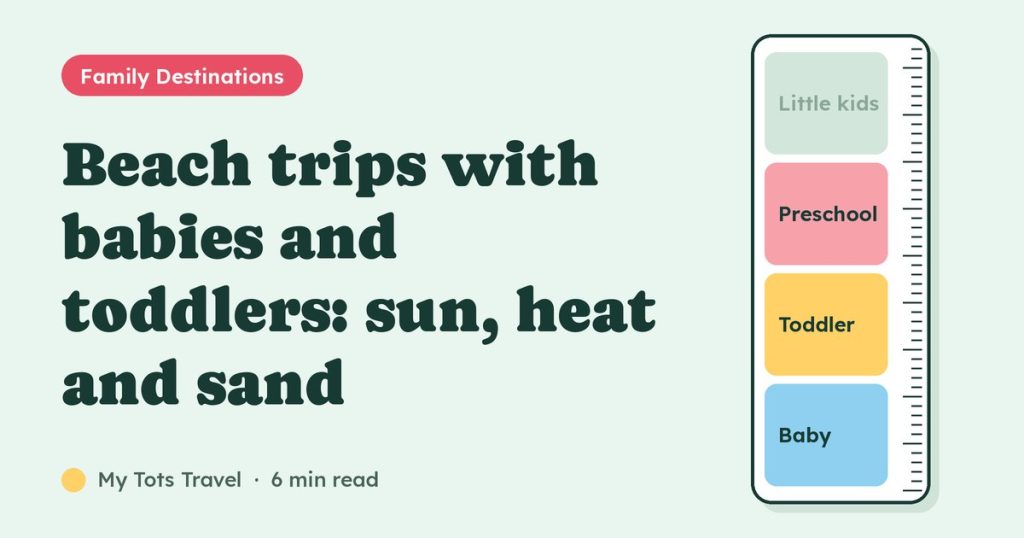
Best for
- Babyunder 1
- Toddler1 to 3
- Preschool3 to 5
- Little kids5 to 8 (not the focus)
A trip to the beach with young children requires a shift in expectations. Instead of relaxing, you will be on constant alert, managing sand in snacks and keeping sensitive skin out of the sun. The ocean is wonderful for young children, but it demands careful planning to keep everyone safe.
Going to the shore with babies (under 1), toddlers (1 to 3), and preschoolers (3 to 5) involves distinct challenges. Babies need strict protection from direct sunlight. Toddlers want to explore everything, requiring you to chase them away from the surf. Preschoolers are more independent but still need strict boundaries near the water.
Managing sun exposure across different ages
Sun protection is your highest priority. The rules change depending on how old your child is.
For babies, official guidance generally states they should be kept out of direct sunlight entirely. You will need a reliable source of deep shade, such as a high quality beach tent or a large umbrella. Dress them in lightweight, long sleeved clothing and a wide brimmed hat. Ask your pediatrician before applying sunscreen to a baby.
For toddlers, you can use sunscreen on exposed areas of skin. Choose a mineral based sunscreen formulated specifically for children. Apply it generously before you leave your accommodation. Reapply it frequently, especially after they get wet or sweat.
Preschoolers are often in and out of the water constantly. A rash guard with long sleeves and built in sun protection is incredibly helpful. It covers a large portion of their body, reducing the amount of skin that needs sunscreen.
Keeping children cool and hydrated
The beach can get dangerously hot, and young bodies struggle to regulate their temperature efficiently. Hydration is essential, but the liquids you offer depend on the child.
Babies should get all their hydration from breastmilk or infant formula. Do not give them plain water unless your pediatrician specifically advises it. You may find that a baby wants to feed more frequently in hot weather.
Toddlers and preschoolers need frequent sips of water. They will often forget to drink because they are too busy playing. Bring an insulated cup that keeps water cool, and offer it every half hour. Bring water rich snacks like melon to help keep fluid levels up.
Watch closely for signs of overheating. A child who is overly hot might become unusually irritable, flushed, or lethargic. If your child stops sweating, this is a serious warning sign. Move them into the shade, apply cool cloths to their skin, and offer fluids. If they do not cool down quickly, seek an air conditioned space.
Water safety by the shore
The ocean is unpredictable. Waves, currents, and sudden drop offs make it very different from a swimming pool. Constant, active supervision is mandatory for all children near the water.
For babies, the ocean is often too cold and rough for full submersion. You might hold them securely and let the water wash over their toes. Never leave a baby sitting unattended at the water line, as a small wave can easily knock them over.
Toddlers lack any understanding of water danger. You must stay within arm’s reach at all times when a toddler is near the ocean. Do not rely on inflatable arm bands or novelty floats. These are not safety devices and can slip off. If you choose to use a flotation device, look for a properly fitted, officially approved life jacket.
Preschoolers feel more confident in the water, but they still need you right beside them. Teach them to face the ocean so they can see waves coming. Establish a clear physical boundary on the sand that they cannot cross without you.
Handling sand and keeping it out of food
Sand gets everywhere. Acceptance is the first step, but there are practical ways to minimize the mess, especially around eating and keeping eyes clear.
Crawling babies will inevitably try to eat sand. Try bringing a large, fitted bed sheet. Place heavy bags in the four corners to pull the sides up, creating a small, sand free play area. This works well for containing a baby.
When a toddler gets sand in their eyes, their first instinct is to rub them. Stop them immediately. Rinse the eye with clean, fresh water from your water bottle. Do not use ocean water. Encourage the child to blink frequently.
Snack time requires preparation, especially when planning around a toddler’s meals. Have a dedicated hand washing station. A large jug of tap water kept in the trunk of your car works perfectly for rinsing hands. Pack snacks in individual, single serving containers rather than one large bag.
To remove sticky sand from skin, wait until the skin is completely dry. You can then gently brush the sand off. A soft, dry makeup brush helps lift the moisture.
Setting up a safe space for rest and naps
A full day at the beach is exhausting for little ones. You need a comfortable base where they can retreat from the sun. A beach tent with proper ventilation is ideal. Ensure it has mesh windows to allow a cross breeze, otherwise the inside can quickly become hotter than the outside air.
If your baby or toddler needs to sleep, you must adhere to safe sleep guidelines just as you would at home. Babies must sleep on their back on a firm, flat surface. Do not let them sleep on a plush beach towel or an uneven patch of sand. Bring a firm, portable travel bassinet or crib that meets safety standards.
Never let a baby sleep in a car seat or a stroller outside of the actual journey to the beach. The angle of these seats can cause a baby’s head to slump forward, which restricts their airway. Move them to a flat, safe sleep surface as soon as they fall asleep.
Essential beach packing checklist
Packing for the beach with young children means carrying a lot of gear. Keep your bags organized so you can find what you need quickly when a toddler is crying, similar to how you would pack a travel day bag.
Here is a practical checklist to help you prepare:
- Apply mineral based children’s sunscreen
- Pack wide brimmed hats with chin straps
- Bring long sleeved rash guards
- Set up a large beach tent or umbrella
- Pack an insulated cooler with fresh water
- Bring single serving snacks in sealed containers
- Pack a dedicated bottle of fresh tap water for rinsing eyes
- Bring a soft, dry brush for removing dry sand
- Pack several large, absorbent towels
- Bring a firm, portable travel bassinet
- Use wet bags for storing damp swimwear
When to call your pediatrician
Beach trips expose young children to intense heat, strong sun, and ocean water. While most visits end with nothing more than sandy toes, the environment can sometimes cause medical issues that require professional attention.
Get help right away
Call local emergency services or go to the nearest emergency department if you see any of these urgent warning signs:
- A baby under three months old develops any fever
- Signs of heatstroke, such as hot, red, dry skin without sweating
- Trouble breathing, rapid breathing, or persistent coughing after being in the water
- Unusual drowsiness, lethargy, or being extremely hard to wake up
- Signs of severe dehydration, such as far fewer wet diapers, no tears when crying, or a sunken soft spot
- A seizure of any kind
- A head injury followed by vomiting, confusion, or loss of consciousness
Talk to your pediatrician soon
Medical care and emergency numbers differ abroad. It helps to know how to reach care at your destination before you travel. Contact your doctor for guidance on these non-urgent issues:
- A sunburn that blisters, swells, or covers a large area of the body
- A mild fever in a child older than three months that persists for more than a day
- A mild, persistent cough or wheeze that starts hours after a water visit
- An eye that remains red, watery, or irritated long after sand is rinsed out
- A skin rash that appears after swimming in the ocean or playing in the sand
- Signs of an ear infection, such as pulling at the ears or increased fussiness after swimming
General travel information, not medical advice. Rules for car seats, flights and documents vary by country and airline, so check current official guidance. Kids' health note.